
This post contains affiliate links, which means we may receive a small commission, at no additional cost to you, if you make a purchase through these links. See our full disclosure here.
We trust a thin line of interlocking teeth with our clothes, shoes, camera gear, and everything else we need when traveling.
Zipperless luggage swaps that out for a rigid frame and built-in locks, and once you’ve used one, it’s hard to go back. It looks incredibly sleek, prioritizes your peace of mind, and feels a bit like carrying a futuristic spy briefcase, particularly when it’s made from aluminum.
But after testing zipperless suitcases made from aluminum, polycarbonate, and a combination of the two, I have learned that they are not automatically right for everyone.
In this guide, I will share everything I have learned from traveling with them, including the real pros and cons of zipperless luggage, how aluminum, polycarbonate, and hybrid cases compare, and my picks for the best zipperless carry-on and checked luggage.
But First, Pros and Cons of Zipperless Luggage
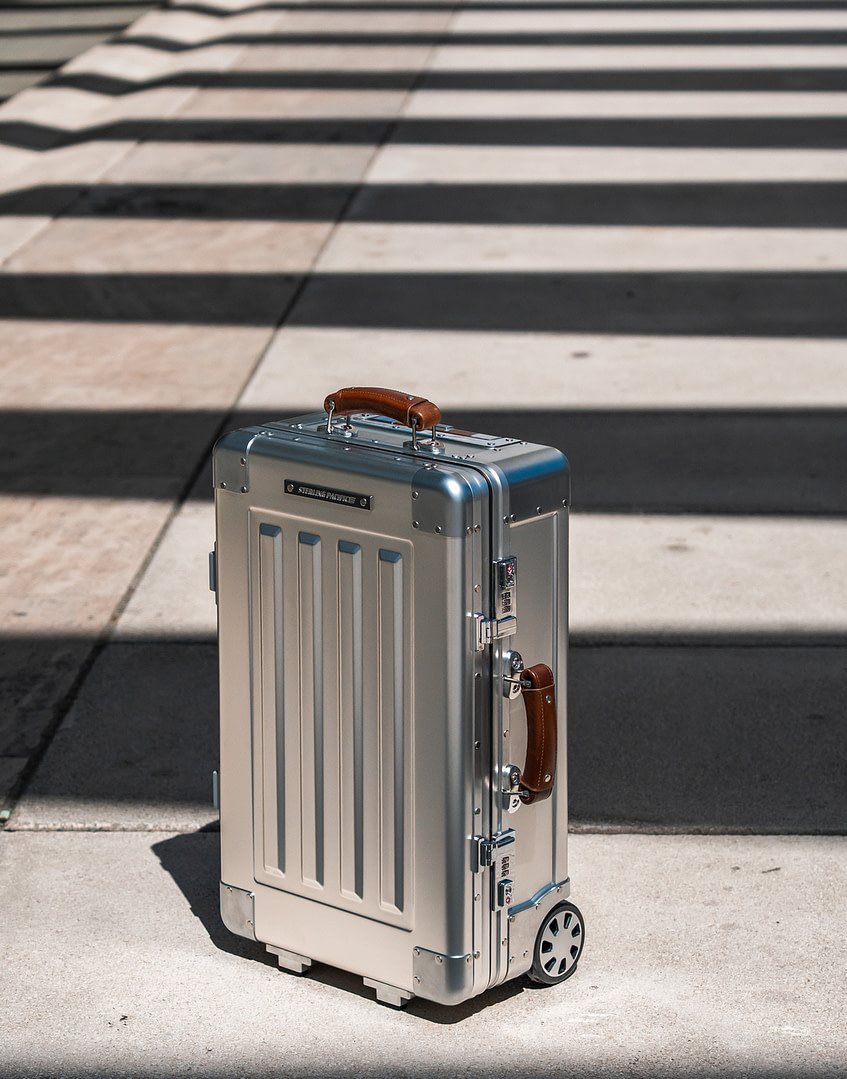
Zipperless luggage feels reassuringly solid, and it almost always looks better than its zippered counterparts. The rigid frame, built-in locks, and satisfying click of the latches make the usual zipper-and-padlock arrangement seem a little flimsy by comparison.
But there are compromises. A zipperless suitcase is usually more expensive, often heavier, and rarely expandable. After traveling with several of them, I have learned that the right choice depends on how you pack, what you carry, and whether you value extra protection more than low weight and packing flexibility.
Here are the pros and cons of zipperless luggage, including the details I appreciate on the road and the ones I don’t.
+Security: Standard zippers are vulnerable. You can literally pop them open with a cheap ballpoint pen, slide the zipper tab right back over the split, and you’d never even know someone went through your bag. Zipperless cases use heavy-duty, TSA-approved latches that lock directly into the hard frame. A determined thief could still force the case open, but doing so would generally require considerably more effort and leave more obvious signs of tampering.
+Durability and Longevity: These bags are wrapped in impact-resistant polycarbonate or solid aluminum. With no external zipper to split or fabric seams to tear, a well-made case can withstand years of frequent travel.
+Innovative Designs: The brands doing zipperless well tend to be the ones sweating the details. We’re talking premium, minimalist exteriors, slick dividers, built-in compression boards, and, in some cases, dedicated pockets for luggage trackers.
-The Price Tag: Let’s address the elephant in the room. Good aluminum or polycarbonate latch cases are an investment. You are paying for the engineering, the materials, and the features. But my math is simple: I’d rather buy one solid zipperless case that lasts a decade than replace a cheap, broken-zipper bag every two years.
-Limited Expandability: Most zipperless suitcases have a fixed capacity. The rigid frame either closes or it does not, leaving no expandable section for an extra sweater or a last-minute souvenir. If you regularly return with more than you left with, you’ll need to learn to pack smarter, or accept you’re checking a second bag home.
My Picks for the Best Zipperless Luggage
After years of dragging luggage through airports, train stations, hotel lobbies, and the occasional medieval alley, I’ve developed a pretty high bar for travel gear.
Every suitcase below has been packed, rolled, lifted, locked, and tested on an actual trip. Some are beautifully overengineered, some offer exceptional value, and some simply solve a particular travel problem better than the rest.
I scored each suitcase based on its security, durability, weight, and overall value. The scores reflect how each model performs within its category, so a lightweight hybrid and a full-aluminum case are judged with their different constructions and purposes in mind.
These are my picks for the best zipperless luggage, based on how they perform once the journey begins.
Best Zipperless Carry-On Luggage: MVST TREVA Aluminum
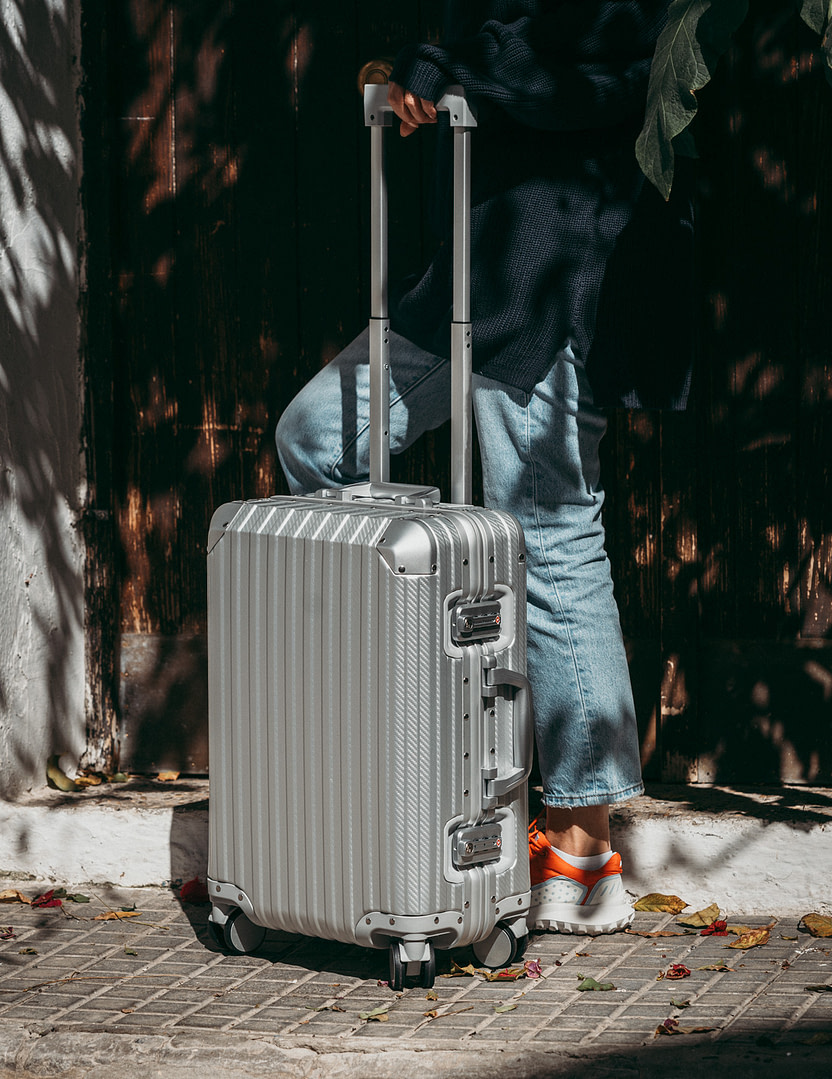
The MVST TREVA is proof that full aluminum luggage does not have to cost four figures. At $399, it has the structured, industrial look of a much more expensive case.
The shell is made from 5083-O aluminum alloy and closes with two built-in TSA-approved locks. Everything feels reassuringly solid, especially that clean double click when the latches close.
The removable tri-bearing wheels glide effortlessly across any terrain, while the slow-release handles are one of those small details you barely notice until you return to a suitcase without them.
At 9.37 lbs (4.25 kg), the TREVA is not light, but it is manageable for a full aluminum carry-on.
The 34 L capacity works best for short trips or disciplined packers, and the lifetime warranty makes the price easier to justify. It also comes with a protective cover, dust bag, and leather luggage tag. I am not particularly interested in keeping aluminum luggage pristine, but the cover is useful if you are. I go deeper on all of this in my MVST TREVA review.
For me, this is the best zipperless carry-on luggage because it gets the important things right: great aluminum construction, strong security, excellent wheels, and a price that has not wandered into luxury-brand territory.
- Security: 9/10
- Durability: 8/10
- Weight: 8/10
- Value: 9/10
Best Zipperless Checked Luggage: Monos Hybrid Trunk
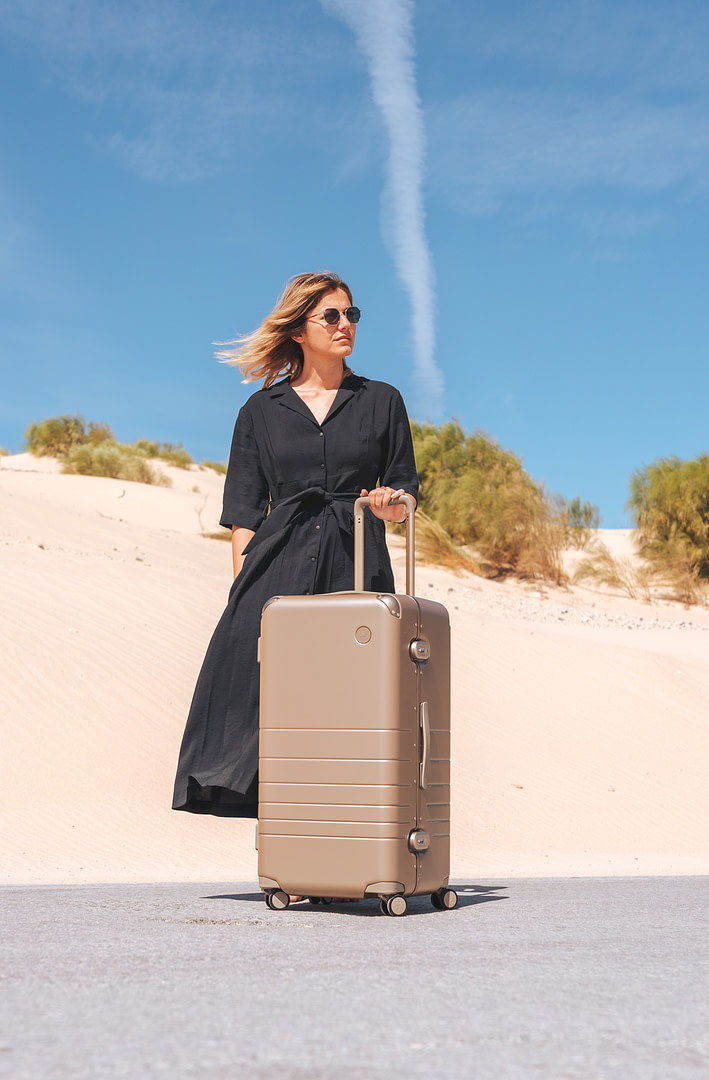
If you’ve been following my luggage reviews for a while, you know I’m a huge fan of Monos. I’ve dragged their suitcases and weekenders everywhere, and even wrote a detailed review of the Monos Hybrid Carry-On.
But when I need a massive checked bag without trusting a zipper to hold everything together, the Monos Hybrid Trunk is my go-to.
Checking a zipperless bag is a different ballgame. You need huge capacity, but you also need a frame tough enough to take a beating under a mountain of stacked luggage without warping out of shape.
Monos nailed this by blending an ultra-durable polycarbonate shell with a rigid aluminum frame, reinforced corner guards, and two TSA-approved locks. You get the structural solidity of aluminum without all the extra weight.
The wheels are smooth and quiet, and the color-matched details keep everything looking polished.
What I love most, though, is the trunk format. The deeper main compartment is much easier to pack than a traditional split-shell suitcase. It makes fitting shoes, bulky jackets, or awkward gear infinitely easier. Add in whisper-quiet wheels and a super sleek design, and it’s easily my pick for the best zipperless checked luggage.
- Security: 9/10
- Durability: 8/10
- Weight: 9/10
- Value: 8/10
Best Aluminum: Carl Friedrik Aluminum Carry-On
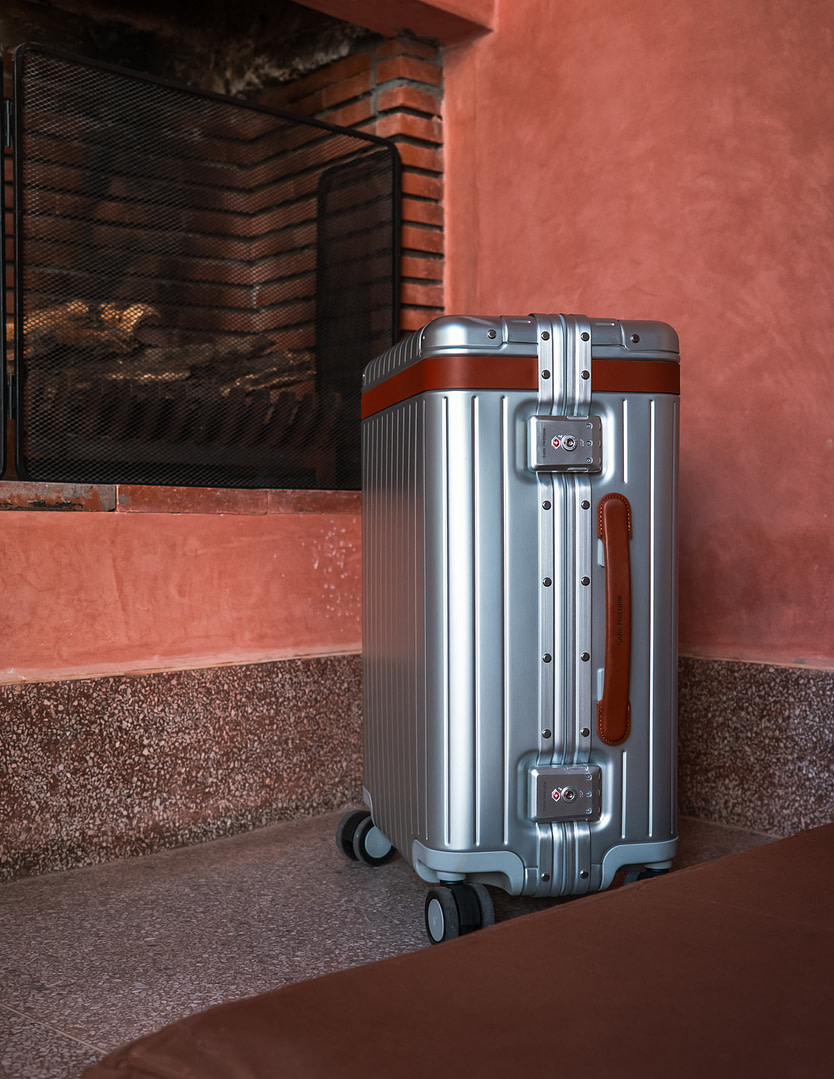
I took the Carl Friedrik Aluminum Carry-On to Marrakech, and a local porter grabbed it and sprinted it through the medina in a beat-up metal carriage before I had time to understand what was happening – full story in my Carl Friedrik Aluminum Carry-On review.
I have tested more luxurious aluminum suitcases and more affordable ones, but this offers the best balance. The shell is really tough, the dual TSA latches close with two beautifully solid clicks, and the Hinomoto wheels are among the smoothest I have used. The cognac Vachetta leather details give it warmth and character.
It is not perfect. At 10.8 lbs (4.9 kg) empty, it uses up a considerable part of your baggage allowance. But that’s the trade every aluminum suitcase makes, and this one gives you more back for it than most: a lifetime warranty, the exact same elite caliber of engineering and security as legacy brands costing nearly double, and, in my opinion, better looks than most of them.
- Security: 9/10
- Durability: 9/10
- Weight: 7/10
- Value: 8/10
Best Design: Solgaard Carry-On Closet Original
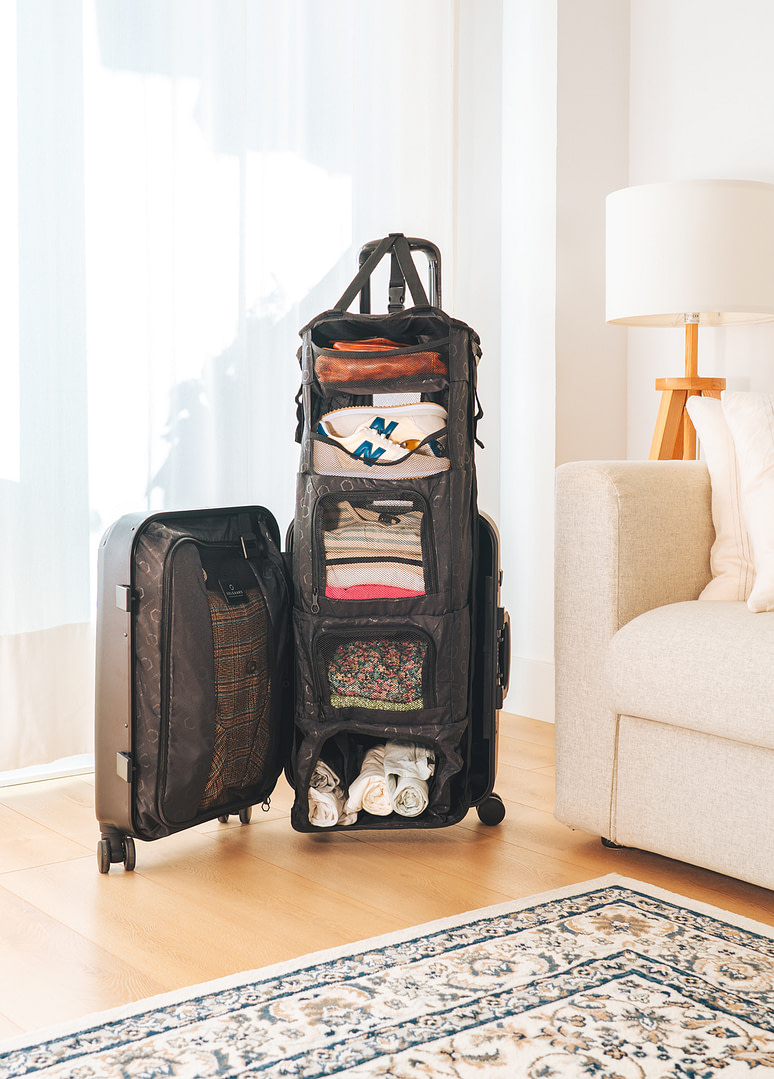
I traveled with the Solgaard Carry-On Closet expecting its built-in shelving system to be clever but slightly gimmicky. Then I arrived at a hotel in Stockholm, lifted five neatly packed shelves out of the suitcase, hung them in the wardrobe, and realized I had unpacked in about thirty seconds.
This suitcase was recognized by TIME Magazine as a Best Travel Invention of the Year, and after traveling with it, I understand the appeal: the shelving system makes it much easier to stay organized on the go.
On my trips, the shelves double as a built-in compression system, letting me squeeze in a full week’s worth of clothes without struggling to latch the bag shut. And when I want more conventional packing space, I simply remove them.
It’s built on a polycarbonate shell with an aluminum frame, so the organization doesn’t come at the cost of durability. Without the closet insert included, the Medium weighs around 7.5 lbs (3.4 kg), making it one of the lightest zipperless carry-ons I have used.
The wheels are silent, there’s an integrated USB port for charging my phone while waiting at the gate, and the interior lining is made entirely from recycled ocean plastic.
If you’re a hyper-organized traveler who hates rummaging around in a deep main compartment to find a single shirt, traveling with this suitcase is a game-changer.
- Security: 8/10
- Durability: 8/10
- Weight: 8/10
- Value: 8/10
Best Luxury: Sterling Pacific 35L Cabin Travel Case
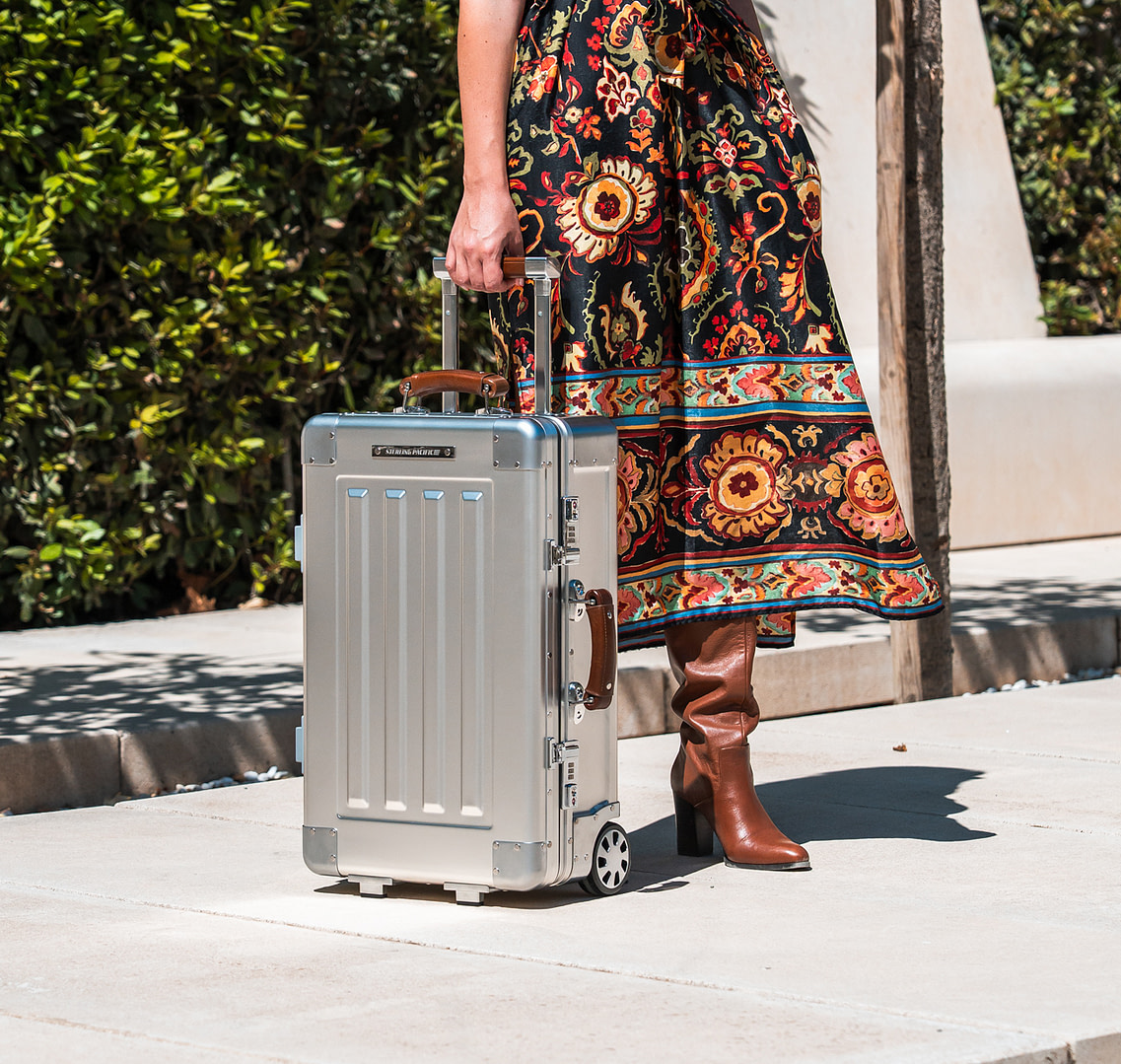
There is high-end luggage, and then there is the Sterling Pacific 35L. At $1,950, it costs more than some entire vacations. It’s unapologetically expensive, ridiculously well-engineered, and looks like something that fell off a private jet’s cargo hold. In the best way.
I have tested several aluminum suitcases, but none is more stunning or feels quite as uncompromising. The body is formed from 1.2 mm sheets of 5052 aluminum, with deep ridges pressed into the shell to absorb impact. The corners, wheel housings, and trolley housing are reinforced with A380 aluminum, while an extruded aluminum frame and two TSA-approved latch locks keep everything firmly closed.
Yet brute strength is only half the appeal. The full-grain Italian leather handles feel exceptionally comfortable in the hand, the oversized recessed wheels roll with surprising ease, and the twill interior feels closer to a tailored suit than suitcase lining.
At 11.5 lbs (5.2 kg), it is very heavy for a 35 L carry-on, and there is no sensible way to describe the price as good value. But if budget isn’t a factor and you want the most luxurious, exquisitely overengineered zipperless suitcase I have tested, this is it.
- Security: 10/10
- Durability: 10/10
- Weight: 6/10
- Value: 6/10
Best Affordable: Level8 Hegent Carry-On Luggage 20”
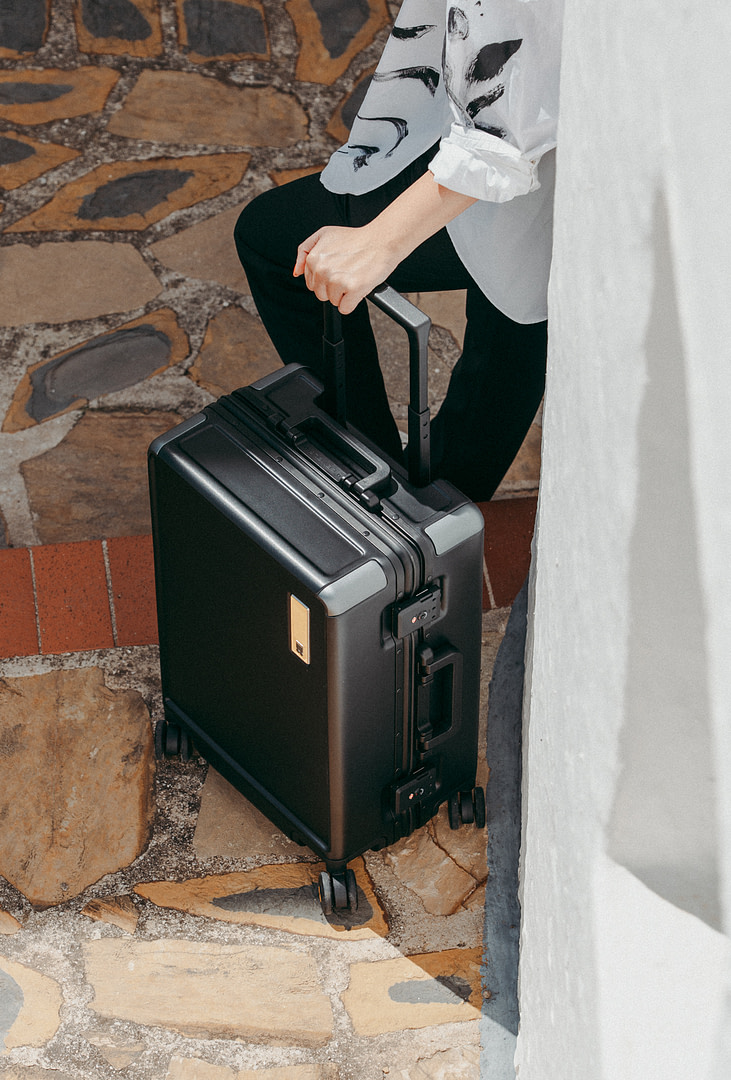
“Affordable” is relative when it comes to zipperless luggage. At $239, the LEVEL8 Hegent is not a cheap suitcase, but it delivers the rigid construction and built-in locks usually found on cases costing much more.
It’s a hybrid build, an aerospace-grade aluminum alloy frame wrapped in a German Makrolon polycarbonate shell, and that combo is exactly what keeps it lighter without giving up the impact resistance you’d expect from a pricier aluminum case.
At 10 lbs (4.5 kg), it is lighter than a full aluminum case, but heavier than its polycarbonate shell might suggest. But the wheels make up for it. LEVEL8 makes some of the smoothest wheels I’ve used on any suitcase, zipperless or not, and the Hegent rolls easily enough that the extra weight barely registers on the move.
Inside, the Y-strap compression system keeps everything in place, while the four-stage telescopic handle makes the case comfortable to pull at different heights. Its 38 L capacity is enough for a 2-3 day trip.
The construction, lifetime warranty, and real-world performance are difficult to fault at this price. If you want zipperless security without spending aluminum-suitcase money, this is the one I would choose.
- Security: 8/10
- Durability: 8/10
- Weight: 7/10
- Value: 10/10
Zipper vs Zipperless Luggage
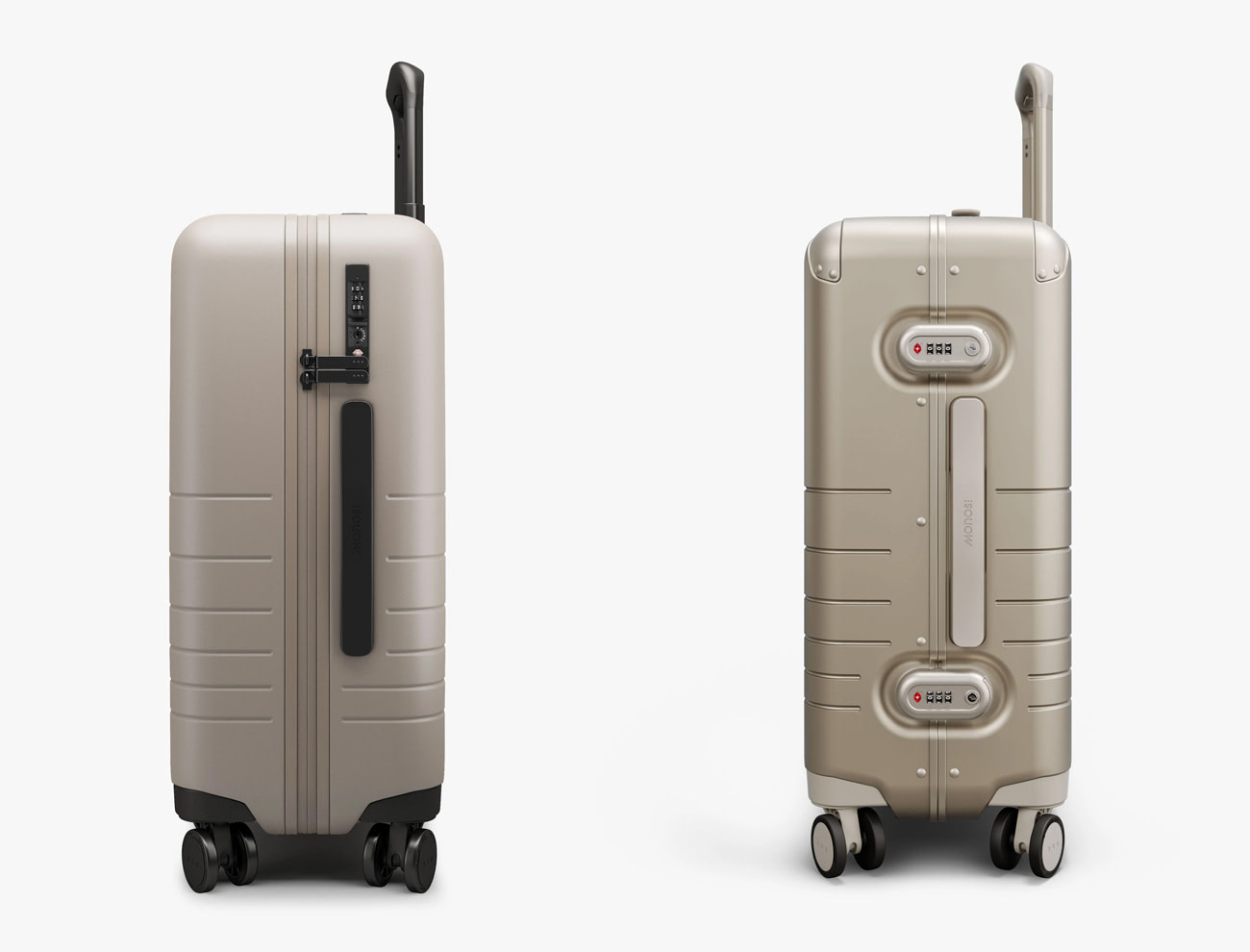
The difference between zipper and zipperless luggage seems simple, but it changes how a suitcase packs, closes, and behaves on the road.
Zippered luggage is usually lighter and more forgiving. The fabric closure has some flexibility, and many cases include an expandable section for the inevitable extra pair of shoes or last-minute purchase. A zipper also lets you open part of the suitcase without releasing the entire lid.
Zipperless luggage closes with latches built into a rigid frame. That makes it far harder to force open or tamper with, and it holds up better against rough handling and bad weather than a zipper ever will. I also find the two-click closure quicker and more satisfying than pulling a zipper around three corners. The trade-off is that the case either closes or it does not. There is no extra stretch.
I choose zipperless luggage when I want more structure and protection, particularly for camera gear or fragile items. For trips where weight matters or I expect to return with more than I packed, however, a zippered suitcase is often the more practical choice. Neither is automatically better. It depends on what you are carrying, how disciplined you are when packing, and how much you care about the entrance your suitcase makes. Because there’s a vanity factor too, if we’re honest. Wheel a zipperless aluminum case up to the check-in counter, and it looks like you’re about to board a private jet, even if you’re flying economy to Cleveland.
How to Pick the Perfect Zipperless Luggage
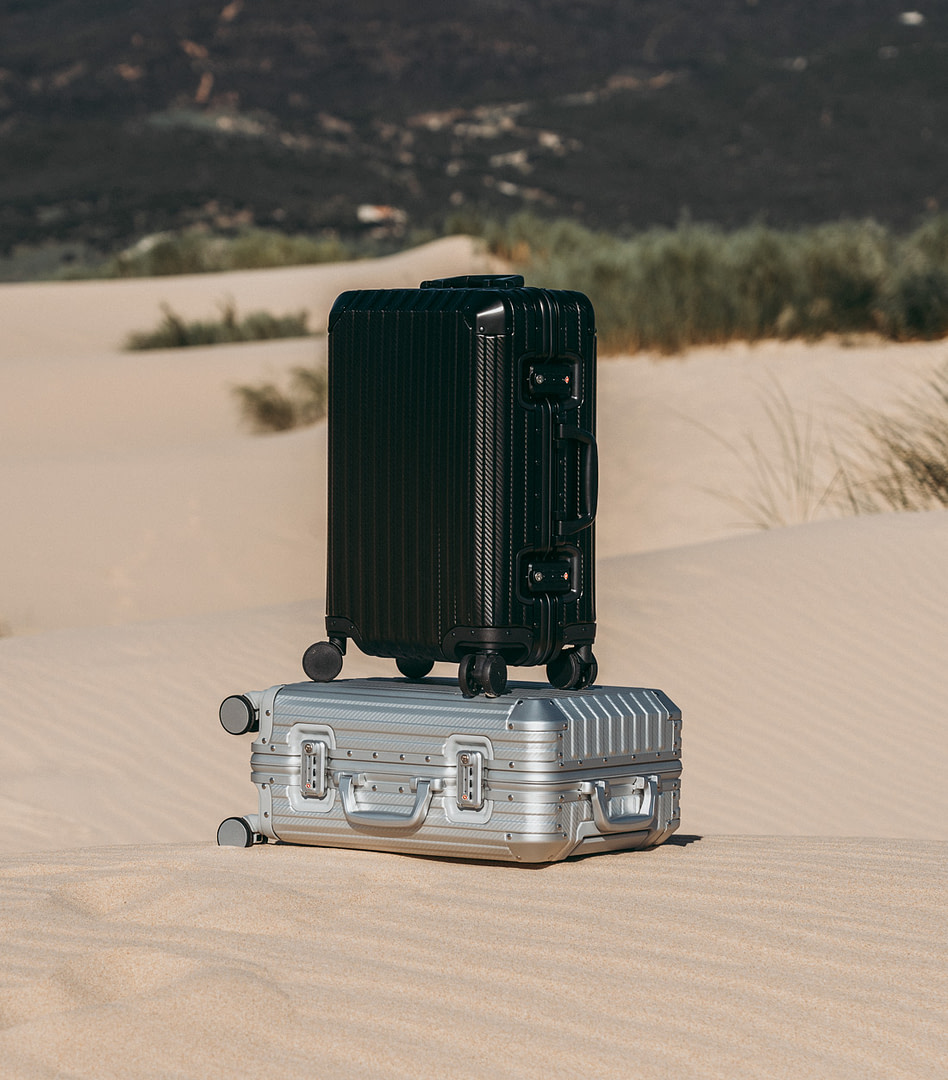
Zipperless cases are an investment, so you want to make sure you get the right fit for how you travel. Here are the key things to consider:
Size and Capacity: Match the case to the trip, not the other way around. A weekend away? Go carry-on. Many 35–38 L bags are designed as carry-ons, but external dimensions matter more than capacity, so always check the case against your airline’s limits. Anything longer, and you’ll want a bigger check-in size with room for everything. Also, zipperless luggage has a rigid frame, so the size you buy is the space you get.
Material & Durability: Almost all zipperless luggage is hardshell, but the material underneath makes a real difference. Full aluminum is the ultimate choice for maximum protection and that iconic, industrial look. It offers excellent protection against crushing and impact, but it is heavier and generally costs more. Polycarbonate is a great middle ground. It’s tough, lightweight, and flexes slightly under pressure to absorb hits without cracking. My personal favorite for value is a polycarbonate-and-aluminum hybrid. You get a lightweight polycarbonate body supported by a rigid aluminum frame, giving you good security without the full weight (or price tag) of pure aluminum.
Security Features: The main reason people switch to zipperless luggage is security. Look for bags with heavy-duty, dual TSA-approved latch locks. They snap shut with a reassuring “click”, can provide better resistance to rain and dust than standard zipper closures, and allow airport security to inspect your bag without breaking the locks.
Brand Reputation and Warranty: A hard-frame zipperless bag has moving mechanical parts (latches, hinges, and corner guards), which means build quality matters even more than usual. Look for brands that back their cases with a solid lifetime warranty. A great warranty tells you the company actually expects its hinges, wheels, and frames to survive the chaos of real-world travel.
Types of Zipperless Luggage: Aluminum vs Polycarbonate vs Hybrid
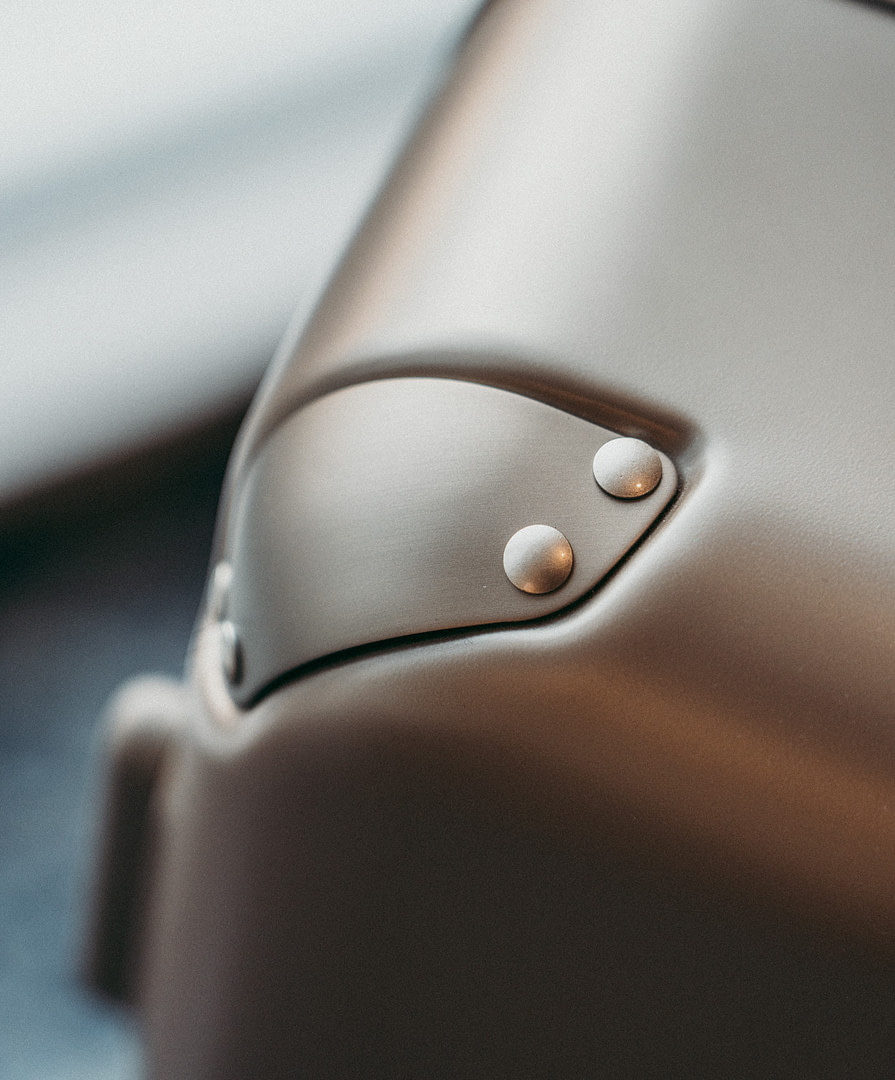
Zipperless luggage generally falls into three groups: full aluminum, polycarbonate, and hybrid. I have traveled with all three, and the biggest differences are weight, rigidity, price, and how each material handles impact.
Zipperless Aluminum Luggage
Aluminum luggage is rigid, exceptionally protective, and usually the most expensive option. It does not flex under pressure like polycarbonate, which makes it a good choice when I am carrying camera gear or anything fragile. Most of these cases also have reinforced corners, a metal frame, and built-in combination locks.
The obvious drawback is weight. A full aluminum carry-on can weigh close to 11 lbs (5 kg) before you pack anything, which matters when an airline allows only 17.6 lbs (8 kg) or 22 lbs (10 kg) in the cabin. Aluminum also collects scratches and dents. I think those marks give a suitcase character, but anyone hoping to keep it pristine may find the first few painful.
Zipperless Polycarbonate Luggage
Polycarbonate is lighter, more flexible, and generally less expensive. Instead of remaining completely rigid during an impact, the shell can flex and return to its original shape. It still protects your belongings well, but it is easier to lift into an overhead bin and usually comes in more colors and finishes than aluminum.
In zipperless polycarbonate luggage, the shell is fitted to a rigid frame with built-in latches or locks. This removes the vulnerable zipper without adding the weight of a full metal body. The trade-off is that polycarbonate does not feel quite as substantial, and its surface will still pick up scuffs and scratches over time.
Zipperless Hybrid Luggage
Hybrid suitcases give you the best of both worlds. They pair a lightweight, impact-resistant polycarbonate body with a rigid, heavy-duty aluminum frame and metal corner guards. You get the solid structural integrity and security of aluminum without the extra weight or four-figure price tag.
How to Maintain Your Zipperless Luggage
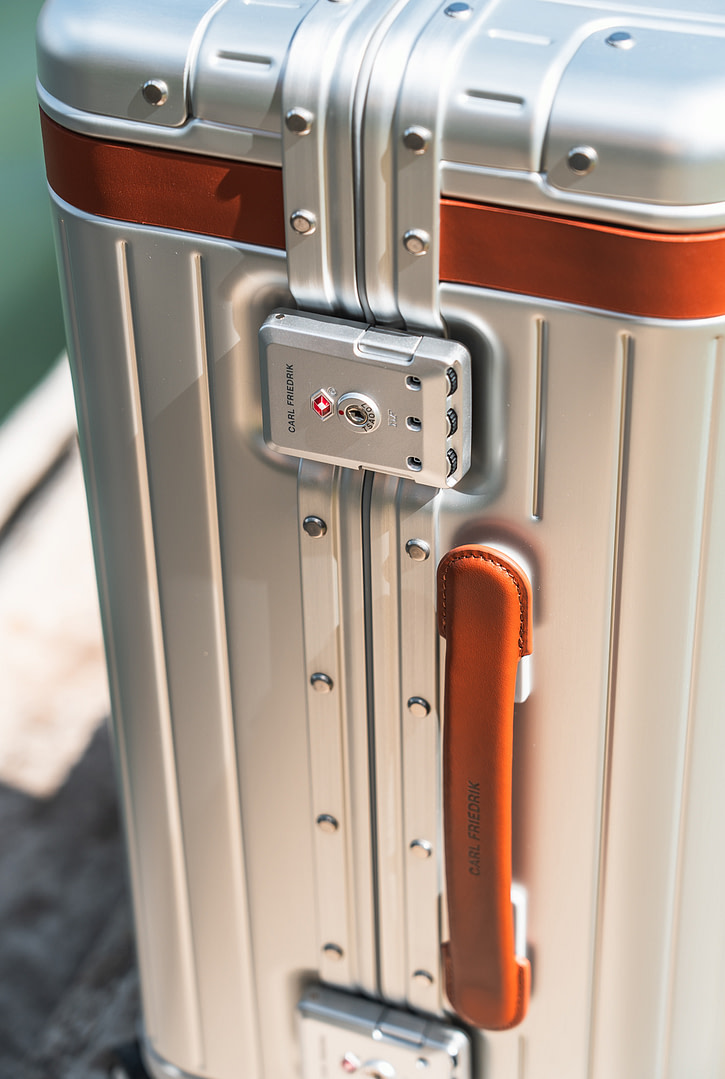
Zipperless luggage requires little maintenance, but cleaning the shell and checking the latches after each trip can help prevent longer-term problems.
I always start with a gentle cleaning routine after each trip. Using a soft, damp cloth, I wipe down the exterior to remove dirt and grime, paying special attention to the hardshell surface. For tougher stains, a mild soap solution does the trick without damaging the finish. Inside, I vacuum the lining and use fabric cleaners for any spills or marks, ensuring it’s fresh for the next journey.
For storage, I keep my suitcases in a cool, dry place away from direct sunlight; some in their original boxes or protective covers, and others on display around my house. If a lock or latch becomes stiff, I first remove any visible dust and consult the manufacturer’s care instructions before applying a lubricant. For dents, damaged locks, or frame-alignment issues, I recommend contacting the manufacturer rather than attempting the repair yourself.
FAQ
Zipperless luggage refers to suitcases that do not use zippers for closure. Instead, they use rigid aluminum frames secured by heavy-duty mechanical latches and combination locks. They open and close more like a briefcase or a hard shell safe.
Generally, yes. A traditional zipper can be punctured with something as ordinary as a ballpoint pen, even when the pulls are locked together. A rigid frame with built-in TSA-approved locks removes that particular weakness. No suitcase is impossible to break into, but I feel more comfortable carrying camera gear and electronics in a zipperless case.
A few, honestly. It usually costs more, can weigh more depending on the material, and you lose the ability to expand the case if you overpack. Nothing’s perfect.
Enter the combination on the built-in locks, press or slide the release buttons, and lift the latches. The exact mechanism varies slightly by brand, but I generally find it quicker than pulling a zipper around three sides of a suitcase.
The reset process varies by lock and manufacturer. It usually involves opening the lock with the current combination, activating a small reset button or lever, choosing a new code, and returning the control to its original position. Check the suitcase manual before starting, as forcing the wrong mechanism could damage the lock.
Most zipperless luggage is water-resistant rather than waterproof. A rigid closure and, on some models, a rubber gasket can provide better protection from rain and dirt than a standard zipper. However, protection varies by model, so I would not assume a case is waterproof unless the manufacturer specifically says so.
If the lock on your zipperless luggage malfunctions, consult the manufacturer’s warranty and support services first. For immediate access, a locksmith can help, but be aware that this could potentially damage the lock or void any warranty.